Emergency Preparedness for RVers: Staying Safe in Any Situation
When you live or travel in an RV, you're your own first responder. Whether it's a sudden storm, a mechanical breakdown, or a medical situation, being prepared can make the difference between a minor inconvenience and a serious emergency.
The good news? A little planning goes a long way. With the right supplies, a clear plan, and some basic knowledge, you can handle most unexpected situations calmly and confidently. Here's your guide to staying safe on the road.
Build a Comprehensive Emergency Kit
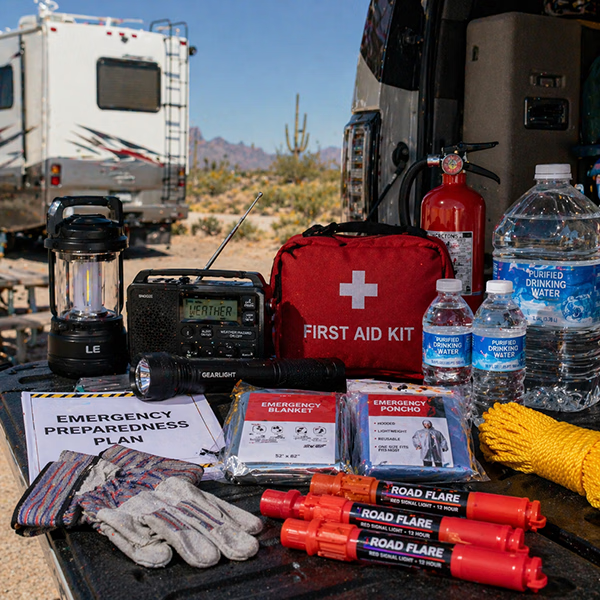
Every RV should carry a well-stocked emergency kit that's easily accessible — not buried under luggage or in a locked compartment. Here's what to include:
Medical supplies:
- First aid kit with bandages, antiseptic, gauze, medical tape, and pain relievers
- Any prescription medications (keep a 30-day extra supply when possible)
- Copies of prescriptions, insurance cards, and emergency contacts
- Blood pressure monitor or glucose meter if applicable
Tools and equipment:
- Flashlights and headlamps with extra batteries
- Multi-tool or basic tool kit
- Jumper cables or a portable jump starter
- Tire pressure gauge and portable air compressor
- Duct tape, zip ties, and electrical tape
- Fire extinguisher (check expiration dates regularly)
Survival essentials:
- At least 3 days of drinking water (1 gallon per person per day)
- Non-perishable food (granola bars, canned goods, peanut butter)
- Emergency blankets and warm layers
- Whistle and signal mirror
- Battery-powered or hand-crank weather radio
Weather Emergencies
RVs are more vulnerable to severe weather than traditional homes. Know the risks for the regions you travel through and have a plan.
Extreme heat: In the desert Southwest, temperatures can soar past 110°F. Keep extra water on hand, know the signs of heat exhaustion, and have a plan for cooling if your A/C fails. Reflective windshield covers and thermal curtains help keep interior temps manageable.
High winds: Strong gusts can rock or even tip an RV. If a wind advisory is issued, retract your awning, secure loose items outside, and consider moving to a more sheltered site. Avoid driving in high winds whenever possible.
Flash floods: Desert washes can fill in minutes during monsoon season. Never park in a wash or low-lying area during rain, and never drive through flowing water.
Winter storms: If you're caught in freezing conditions, protect your water lines from freezing, keep your propane supply topped off, and carry tire chains if traveling through mountain passes.
Mechanical Breakdowns
Breakdowns happen to everyone eventually. Being prepared removes most of the stress.
- Carry a roadside assistance plan: Good Sam, Coach-Net, or AAA's RV-specific plan. Make sure it covers your rig's size and weight class.
- Know your rig's basics: Understand how to check fluids, swap a fuse, reset a tripped breaker, and operate your leveling system manually.
- Keep essential spare parts: Extra fuses, water pump, sewer hose, hose clamps, and light bulbs.
- Document your rig: Keep a file with your VIN, tire sizes, weight ratings, and the contact info for your preferred repair shops.
Medical Emergencies on the Road
When you're far from your regular doctor, preparation is critical.
- Know the nearest hospitals: Before you settle into a new campground, locate the nearest urgent care and emergency room. Save the addresses in your phone.
- Carry a medical information card: List your conditions, medications, allergies, emergency contacts, and insurance details. Keep one in your wallet and one posted inside the RV.
- Learn basic first aid: A Red Cross first aid course takes just a few hours and covers CPR, wound care, and choking response.
- Telehealth access: Many insurance plans now offer telehealth visits. Download the app and test it before you need it.
Communication When Off-Grid
Cell service isn't guaranteed everywhere you'll travel. Plan for communication gaps.
- Cell signal booster: A WeBoost or similar device can pull in signal where your phone alone can't.
- Satellite communicator: Devices like the Garmin inReach let you send SOS messages and text via satellite — invaluable in truly remote areas.
- Share your itinerary: Always let someone know where you're headed and when you expect to arrive.
- Download offline maps: Google Maps and several RV-specific apps let you download maps for offline use.
Fire Safety in Your RV
RV fires can escalate quickly due to the confined space and combustible materials.
- Install smoke detectors and CO detectors and test them monthly.
- Keep a fire extinguisher in the kitchen and near the bedroom — and know how to use it.
- Never leave cooking unattended.
- Check propane connections regularly for leaks using soapy water.
- Have an escape plan: know two ways out of your RV and practice them.
Peace of Mind on Every Trip
Emergency preparedness isn't about expecting the worst — it's about having the confidence to handle whatever comes your way. A well-stocked kit, a clear plan, and a little knowledge let you focus on what RV life is really about: enjoying the journey.
Whether you're a weekend warrior or a full-time traveler, Shangri-La RV Resort in Yuma, Arizona provides a safe, well-maintained home base for your adventures. Learn more at shangrilarv.com.