RV Campground Etiquette: Being a Great Neighbor on Wheels
RV parks and campgrounds are more than just places to park — they're communities. And like any community, a few unwritten rules keep things running smoothly and ensure everyone has a great time. Whether you're a seasoned RVer or new to the lifestyle, good campground etiquette goes a long way toward making friends and being welcomed back.
Most of these guidelines come down to common sense and basic consideration for the people around you. Here's your friendly guide to being the kind of neighbor everyone wants next door.
Respect Quiet Hours
Almost every campground has designated quiet hours, typically from 10 PM to 7 or 8 AM. During these times, keep noise to a minimum — that means turning down music, keeping voices low outside, and bringing your gathering indoors if it's getting late.
But good noise etiquette extends beyond the posted hours. Running a generator during the middle of the day can still bother neighbors, especially in close-quarters parks. If your campground has rules about generator usage, follow them. If not, use common sense: keep it brief and be aware of who's nearby.
Stay on Your Site
Your campsite has boundaries for a reason. Keep your gear, slide-outs, awnings, and vehicles within your own space. Walking through someone else's site — even as a shortcut — is considered rude in campground culture. Think of each site as someone's front yard and walk around, not through.
If you have an awning or outdoor setup that extends close to the property line, make sure it doesn't block your neighbor's access or views.
Control Your Speed
Most campgrounds have a 5-10 mph speed limit, and it's there for good reason. Kids play in the roads, pets are on leashes, and people walk to bathhouses at all hours. Slow down, watch for pedestrians, and resist the urge to rush through the park — even if you're running late.
This applies to bikes, golf carts, and scooters too. A calm, slow-moving campground is a safe campground.
Keep Your Site Clean
Nobody wants to camp next to a messy site. Keep your area tidy by picking up trash, storing food properly, and cleaning up after meals. If you're grilling, make sure ashes are fully cooled and disposed of safely.
When you leave, follow the golden rule: leave your site cleaner than you found it. A quick sweep of the pad and a check for any forgotten items goes a long way.
Be a Responsible Pet Owner
Pets are part of the RV family, and most campgrounds welcome them. But being a responsible pet owner is essential:
- Always leash your dog unless you're in a designated off-leash area.
- Pick up after your pet — every single time. Carry bags with you on every walk.
- Don't leave pets unattended if they bark or whine. It disrupts your neighbors and stresses your animal.
- Ask before approaching someone else's pet. Not all dogs are friendly with strangers.
Manage Your Campfire
If campfires are allowed, keep them contained in the fire ring and never leave a fire unattended. Keep fires at a reasonable size — a bonfire might be fun for you, but your neighbor doesn't want smoke billowing into their RV.
Check for fire bans before lighting up, especially in dry desert climates. When you're done, make sure the fire is completely out — douse it, stir it, and douse it again.
Bathroom and Laundry Courtesy
Shared facilities are just that — shared. Leave bathhouses, showers, and laundry rooms clean after use. Don't leave clothes sitting in washers or dryers for extended periods, and wipe down surfaces when you're done.
If there's a line, be efficient and courteous. Save your leisurely shower for off-peak hours.
Dumping Station Manners
The dump station is nobody's favorite part of RVing, so let's keep it quick and clean:
- Have your hoses and supplies ready before you pull up.
- Don't take longer than necessary — others are waiting.
- Clean up any spills immediately.
- Rinse the area when you're done.
Be Friendly, But Respect Privacy
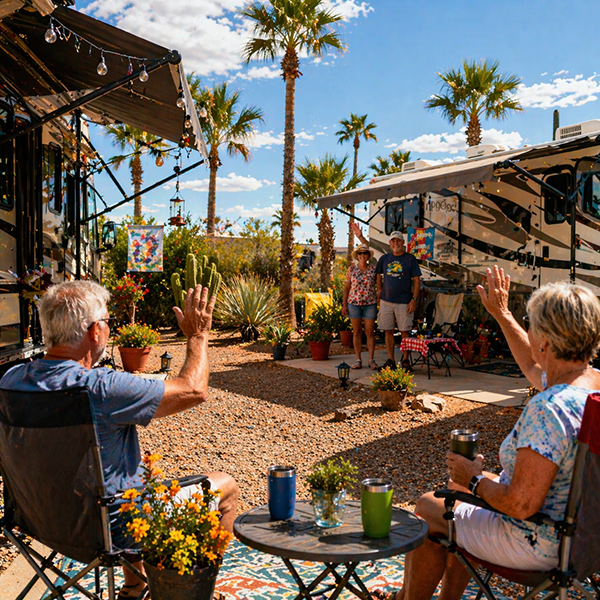
The RV community is known for being welcoming, and a friendly wave or brief chat is always appreciated. But also read the room — if someone has their blinds drawn or seems focused on a project, give them space.
A good rule of thumb: be available for conversation, but don't force it. The best campground friendships happen naturally, often over a shared sunset or a neighborly offer of extra firewood.
Everyone Benefits from Good Etiquette
Being a great campground neighbor isn't about following a strict set of rules — it's about creating a space where everyone feels comfortable and welcome. A little consideration goes a long way, and the kindness you put out tends to come right back.
Looking for a community where good neighbors are the norm? Shangri-La RV Resort in Yuma, Arizona is a friendly, well-maintained 55+ community where respect and warmth are part of the culture. Learn more at shangrilarv.com.