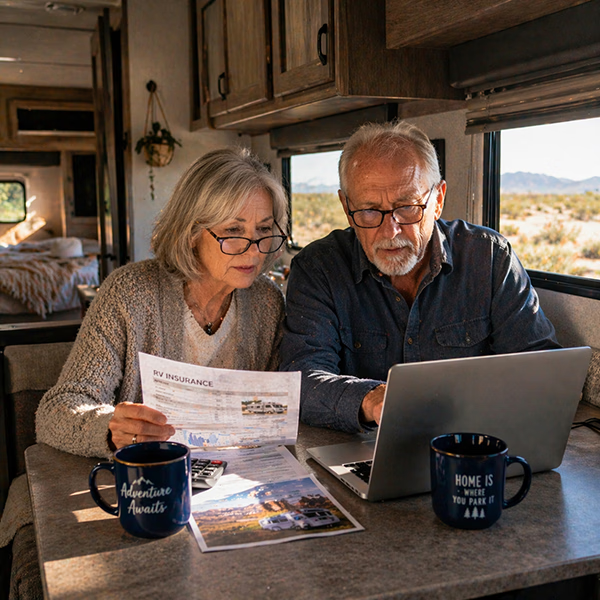
RV Insurance Simplified: What Every Senior RVer Should Know
RV insurance can feel confusing — there are different policy types, coverage levels, and add-ons that don't always match what you're used to with car or home insurance. But understanding the basics doesn't have to be overwhelming.
Whether you're a weekend traveler, a seasonal snowbird, or a full-time RVer, the right insurance protects your investment, your health, and your peace of mind. Here's a straightforward guide to help you make smart decisions about your RV coverage.
Do You Even Need RV Insurance?
In most states, yes — if your RV is motorized (Class A, B, or C), you're required to carry liability insurance, just like a car. Towable RVs like travel trailers and fifth wheels are often covered under your tow vehicle's policy for liability, but that doesn't cover the trailer itself for damage, theft, or personal belongings inside.
Even if it's not legally required, insuring your RV is a smart financial decision. Repair costs for RVs can be staggering, and a single weather event or accident could cost tens of thousands of dollars.
Types of RV Insurance Coverage
Liability coverage: Covers damage you cause to others — their property or medical bills. This is the legally required minimum in most states.
Collision coverage: Pays for damage to your RV from an accident, regardless of who's at fault.
Comprehensive coverage: Covers non-collision damage like theft, vandalism, falling trees, hail, and fire. Essential for RVers who store their rig outdoors.
Uninsured/underinsured motorist: Protects you if you're hit by someone who doesn't have adequate insurance.
Personal belongings coverage: Covers the contents inside your RV — electronics, clothing, kitchen gear. Standard auto policies typically don't cover personal property in a vehicle, so this add-on is important.
Full-timer coverage: If your RV is your primary residence, you need a full-timer policy. This functions more like homeowner's insurance, covering liability for guests, medical payments, and personal property at higher limits.
Specialized Add-Ons Worth Considering
- Roadside assistance: Towing an RV is expensive. A good roadside plan covers towing, tire changes, fuel delivery, and lockout service.
- Vacation liability: Covers you when your RV is parked and being used as a temporary residence — similar to renter's insurance.
- Total loss replacement: If your RV is totaled within a certain timeframe, this pays for a brand-new replacement rather than the depreciated value.
- Emergency expense coverage: Pays for lodging, meals, and transportation if your RV becomes uninhabitable due to a covered event.
- Mexico coverage: If you plan to cross the border, you'll need a separate policy or endorsement. Standard US policies don't cover travel in Mexico.
How Much Does RV Insurance Cost?
Costs vary widely based on your rig type, value, usage, driving record, and location. As a general range:
- Travel trailers: $250–$500 per year
- Fifth wheels: $350–$700 per year
- Class C motorhomes: $800–$1,500 per year
- Class A motorhomes: $1,000–$3,000+ per year
- Full-timer policies: Add 15–30% to the above ranges
These are ballpark figures — always get multiple quotes to find the best rate for your situation.
Tips for Saving on RV Insurance
- Bundle policies: Many insurers offer discounts when you combine RV, auto, and home coverage.
- Take a defensive driving course: Some carriers offer discounts for completing approved courses.
- Increase your deductible: A higher deductible lowers your premium — just make sure you can comfortably cover it if needed.
- Ask about storage discounts: If your RV is parked and not in use for part of the year, you may qualify for reduced rates during storage months.
- Shop around: Compare quotes from RV-specialist insurers like National General, Progressive, Good Sam, and Roamly alongside traditional carriers.
Common Mistakes to Avoid
- Underinsuring your rig: Make sure your coverage reflects the actual replacement cost, not just the purchase price.
- Assuming your auto policy covers everything: It usually doesn't cover personal belongings, full-timer liability, or the trailer itself.
- Forgetting to update your policy: If you add upgrades like solar panels, a new awning, or entertainment systems, update your coverage to reflect the increased value.
- Not reading the fine print: Know what's excluded. Flood damage, mold, and wear-and-tear are commonly excluded from standard policies.
Protect What Matters Most
Your RV represents a significant investment — and for many retirees, it's also home. The right insurance policy gives you the freedom to enjoy the road without worrying about what-ifs. Take the time to review your coverage annually, ask questions, and make sure you're protected for the way you actually use your rig.
Planning your next season at Shangri-La RV Resort in Yuma, Arizona? Make sure your insurance is squared away before you roll in. Learn more at shangrilarv.com.