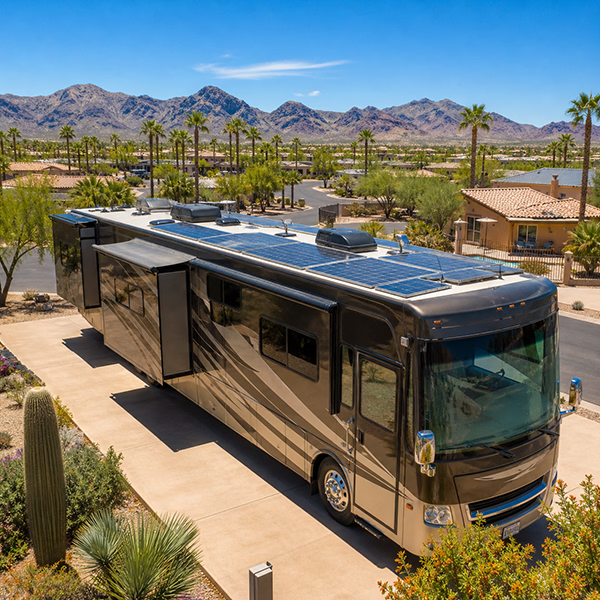
RV Solar Power Made Simple: A Beginner's Guide for Senior RVers
You've probably noticed them more and more over the past few seasons — RVs rolling into resorts with sleek solar panels gleaming on the roof, their owners talking about running the air conditioner without a generator or going off-grid for days at a time. If you've been curious about solar power but assumed it was too technical, too expensive, or just not for someone your age, this guide is for you. The truth is, solar has never been more accessible — or more worth considering — than it is right now.
Why RV Solar Is Having a Moment in 2026
Solar technology has improved dramatically over the past decade while costs have dropped significantly. What once required a significant financial commitment and a licensed electrician is now something many RV owners handle themselves with a weekend and a YouTube tutorial. Industry data suggests that the majority of new RV buyers now list solar capability as a priority feature — and it's easy to see why. Generator noise, fuel costs, and the constant hunt for hookups are frustrations that solar simply eliminates. For snowbirds and full-time RVers especially, the freedom it provides is hard to overstate.
How RV Solar Actually Works (In Plain English)
Think of a solar system as three connected parts working together:
Many systems also include an inverter, which converts the battery's stored DC power into the standard AC power that runs your appliances — your coffee maker, your TV, your phone charger. When your batteries are full and the sun is still shining, the controller simply stops charging. When they're drained, you can recharge them via solar, shore power at a campground, or while driving (your engine charges batteries through the alternator). It's a remarkably elegant system once you understand the basics.
What Can Solar Actually Power?
This is where expectations matter. A modest solar setup (200–400 watts of panels with a quality lithium battery bank) can comfortably handle:
Running a rooftop air conditioner off solar requires a much larger system — typically 600–1,000+ watts of panels and a substantial battery bank. It's possible, and more and more full-timers are doing it, but it's an investment worth planning carefully. Most seniors who go solar start with a basic setup and expand from there as they discover what works for their lifestyle.
Lithium vs. Lead-Acid Batteries: What's the Difference?
If you're researching solar, you'll quickly run into this debate. Here's the short version:
For most snowbirds and senior RVers who want reliable, low-maintenance power, lithium is worth the investment. They perform better in Arizona's extreme heat, require no watering or maintenance, and the weight savings can be meaningful for fuel economy on long trips.
Portable Solar vs. Roof-Mounted: Which Is Right for You?
You don't have to commit to a full roof installation to start enjoying solar benefits. Portable solar panels — fold-out suitcase-style panels you set up outside your RV — are an excellent entry point. They require no drilling, no permanent installation, and can be repositioned throughout the day to follow the sun. Many RVers start with a 100–200 watt portable setup paired with a power station to test the lifestyle before committing to a roof-mounted system.
Roof-mounted panels are more powerful, more permanent, and don't require daily setup. They're the right choice for full-time or frequent travelers who want a seamless, hands-off experience. A qualified RV technician can install a system in a day, and many RV dealers now offer solar packages on new rigs.
Is Solar Worth It for Snowbirds?
The honest answer: it depends on how you travel. If you spend your entire season plugged in at a resort with full hookups, solar may not pay for itself quickly. But for the drive down to Yuma in the fall and the trip back home in the spring — those nights parked at highway rest areas or national forest sites, or the spontaneous detour to a remote desert overlook — solar changes everything. You arrive with power, wake up with power, and never have to fire up a noisy generator to make your morning coffee. For many snowbirds, that kind of freedom is the whole point of the RV lifestyle.
Getting Started: A Simple First Step
If you're ready to explore solar, here's the simplest path forward: start with a 200-watt portable panel kit and a lithium power station rated around 1,000 watt-hours. You can buy both for a reasonable investment, try them on your next trip, and get a real feel for how solar fits your routine. From there, you'll know exactly whether you want to go bigger — and you'll have a solid education before spending more.
Looking to connect with other RVers who've made the solar switch? The community at Shangri-La RV Resort is full of experienced travelers who've been through every upgrade imaginable and love sharing what they've learned. Come find your people at shangrilarv.com.